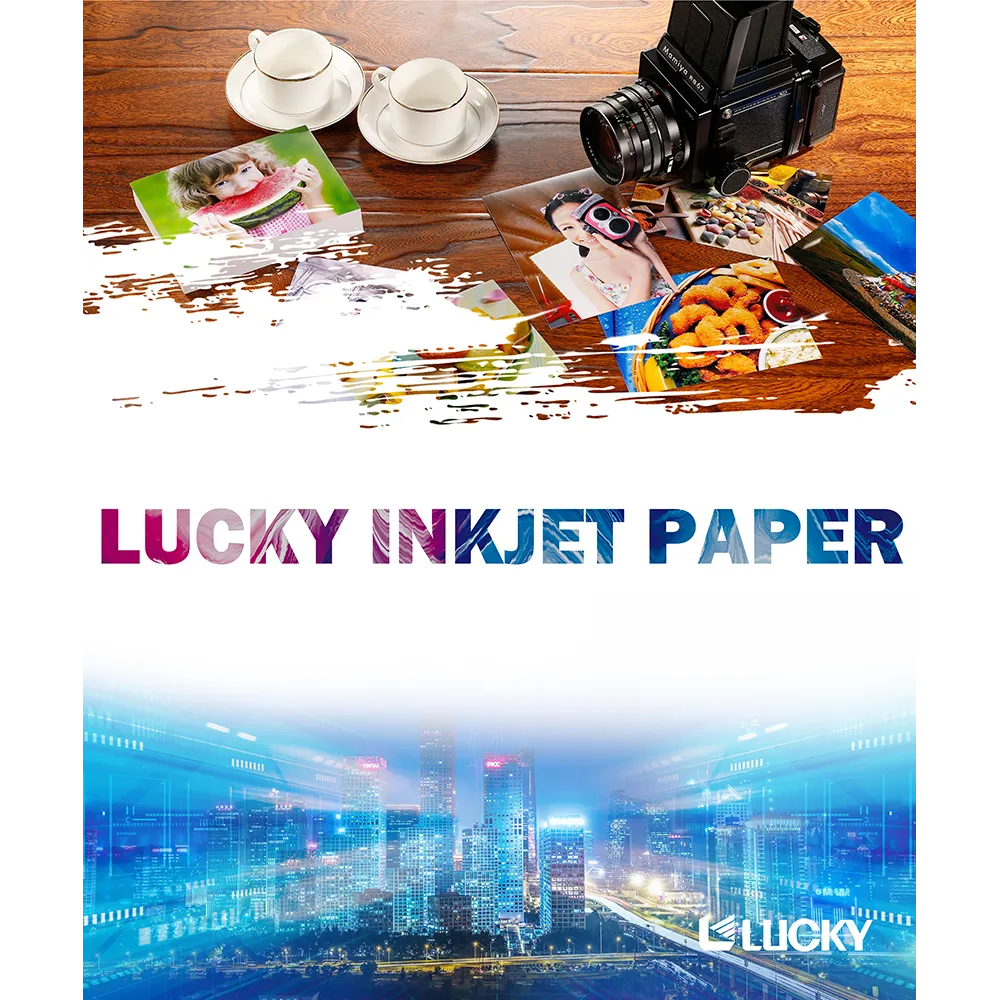
Inkjet Paper
Specification & details
RC inkjet paper
use the A grade double side RC paper base and have good flatness, The nanoscale porous multiple coating layers make the imaging clear and vivid, color rich and nature, strong observation, stable whiteness, double-sided water-proof, good anti-scratch.
Suitable for pigment and dye water base ink
Weight: 240g and 260g Size: roll type and sheets type
240G
GLOSSY
4"/5"/6"/8"/10"/12"*65m/*100m;SHEET SIZE;17"/ 24"/ 36"/ 42"/ 44"/ 50"/ 60"*30.5m
The ink quick-drying and curing technical can make the photo store longer,support to high resolution.It is suitable for full-color photo output and widely used in pigment and dye ink printers such as Epson,HP and Canon. RC inkjet paper series can be used in the business areas:POP,Wechat Printing,CAD/GIS outputting,advertisement and digital proofing paper.
LUSTER
4"/5"/6"/8"/10"/12"*65m/*100m;SHEET SIZE;17"/ 24"/ 36"/ 42"/ 44"/ 50"/ 60"*30.5m
SATIN
4"/5"/6"/8"/10"/12"*65m/*100m;SHEET SIZE;17"/ 24"/ 36"/ 42"/ 44"/ 50"/ 60"*30.5m
SILK
4"/5"/6"/8"/10"/12"*65m/*100m;SHEET SIZE;17"/ 24"/ 36"/ 42"/ 44"/ 50"/ 60"*30.5m
260G
GLOSSY
4"/5"/6"/8"/10"/12"*65m/*100m;SHEET SIZE;17"/ 24"/ 36"/ 42"/ 44"/ 50"/ 60"*30.5m
LUSTER
4"/5"/6"/8"/10"/12"*65m/*100m;SHEET SIZE;17"/ 24"/ 36"/ 42"/ 44"/ 50"/ 60"*30.5m
SATIN
4"/5"/6"/8"/10"/12"*65m/*100m;SHEET SIZE;17"/ 24"/ 36"/ 42"/ 44"/ 50"/ 60"*30.5m
SILK
4"/5"/6"/8"/10"/12"*65m/*100m;SHEET SIZE;17"/ 24"/ 36"/ 42"/ 44"/ 50"/ 60"*30.5m
Cast Coating inkjet paper
Use paper as the base, it has a perfect image quality, high glossiness and high whiteness to show the vivid color, perfect resolution and sharpness, rapid-dry speed
Suitable for dye water base ink
Weight: 120g/140g/180g/210g/230g Size: sheets type such as A3/A3+/A4/A5/A6/4R/T1
120g/140g/180g/210g/230g
GLOSSY
A3/A3+/A4/A5/A6/4R/T1
It is widely used in Epson,Hewlett-Packard,Canon and other water-based dye-type inkjet printer high-grade design images,achieving high-quality photo quality output. casting coating paper series can meet the needs of different consumers' requirements for photo output and pass the European authority certification,in line with the EU to develop ROHS directive testing standards.
150g/180g/210g/230g/260g
GLOSSY
A3/A3+/A4/A5/A6/4R/T1
160g/200g/220g
GLOSSY
A3/A3+/A4/A5/A6/4R/T1
108g/128g/140g/170g/190g/220g
MATTE
A3/A3+/A4/A5/A6/4R/T1
140g/170g/200g/220g/250g/270g/300g
MATTE
A3/A3+/A4/A5/A6/4R/T1
Understanding different inkjet photo paper types is essential for achieving the best printing results in both home and professional environments. Each type of inkjet photo paper is designed with specific coatings and surface finishes to support different printing needs, image styles, and durability requirements.
Glossy inkjet photo paper is one of the most popular inkjet photo paper types because it produces bright colors and sharp image details. The smooth reflective surface enhances contrast and saturation, making glossy paper ideal for vibrant photos such as travel images, portraits, and marketing materials. However, glossy surfaces may show fingerprints and reflections under strong lighting.
Matte inkjet photo paper is another commonly used option among inkjet photo paper types. Matte paper provides a non-reflective surface that reduces glare and makes images easier to view in bright environments. This type of paper is often used for framed photos, art prints, and professional presentations where a softer visual effect is preferred.
Luster or semi-gloss paper offers a balanced choice between glossy and matte finishes. Among various inkjet photo paper types, luster paper provides strong color reproduction while minimizing reflections and fingerprints. It is widely used by professional photographers for photo albums and portrait prints.
Specialty inkjet photo paper types include satin, pearl, and metallic finishes, which create unique visual effects and textures. These papers are commonly selected for premium photo printing and artistic photography. By understanding different inkjet photo paper types, users can select the most suitable paper to achieve optimal print quality and long-lasting photographic results.
When comparing inkjet paper vs photo paper, it is important to understand that each type of paper is designed for different printing purposes. While both can be used with inkjet printers, their coating structures and printing results vary significantly. Choosing the right paper helps improve print quality, durability, and overall visual performance.
Standard inkjet paper is typically designed for everyday document printing such as reports, drafts, and text-heavy materials. It usually has a basic coating that absorbs ink quickly to prevent smearing and speed up drying time. However, inkjet paper generally produces lower image sharpness and less vibrant colors, making it less suitable for high-quality photo printing.
Photo paper, on the other hand, is specially engineered to deliver superior image quality. Compared with regular inkjet paper, photo paper features advanced multilayer coatings that allow precise ink absorption and controlled color distribution. This structure enables photo paper to produce sharper details, richer colors, and smoother tonal transitions. Glossy, matte, and luster finishes are commonly available to meet different photography and display needs.
Another key difference in the inkjet paper vs photo paper comparison is durability. Photo paper is often designed with protective coatings that improve resistance to fading, moisture, and fingerprints, making it ideal for photo albums and long-term storage. In contrast, ordinary inkjet paper is primarily intended for short-term use and may deteriorate more quickly over time.
Understanding the differences between inkjet paper vs photo paper allows users to select the most appropriate printing material based on their needs, whether for everyday office printing or professional-quality photographic output.
When comparing laser printer vs inkjet photo quality, the differences become especially clear in terms of color reproduction, image detail, and overall photographic realism. While both printing methods are widely used, they serve different purposes, and the choice often depends on the level of photo quality required.
Inkjet printers are generally considered the better option for photographic printing because they use microscopic liquid ink droplets that blend smoothly on coated photo paper. This allows for gradual color transitions, accurate skin tones, and fine image detail. When paired with high-quality materials such as Group inkjet photo paper, inkjet printers can achieve excellent color saturation and sharpness. This combination makes inkjet printing ideal for photo albums, portraits, and professional image output.
Laser printers use toner powder that is fused onto paper using heat. Although laser printers are efficient for office documents and text printing, laser printer vs inkjet photo quality comparisons typically show that laser printing produces less detailed and less vibrant photographic images. Toner particles cannot blend as smoothly as liquid inks, which can result in limited color depth and more noticeable dot patterns in photo prints.
Another important factor in laser printer vs inkjet photo quality is paper compatibility. Inkjet printers support specialized photo papers designed to enhance color performance and image clarity. For users seeking realistic and high-resolution photographs, inkjet printing with quality photo paper remains the preferred solution.
Related products.
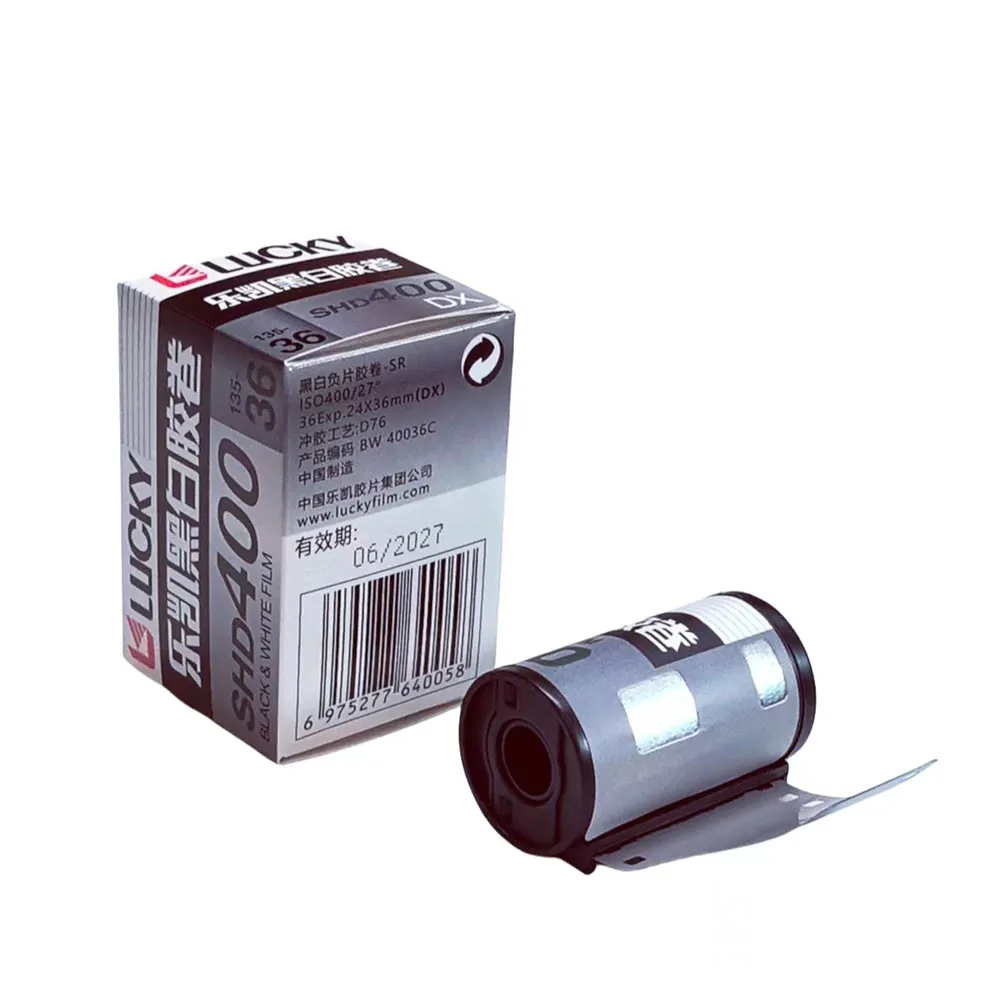
New Generation SHD400 Black-and-White Photographic Film
The New Generation SHD400 is a panchromatic high-speed black-and-white film designed for low-light conditions and action photography. It delivers excellent sharpness, wide exposure latitude, and high resolution, along with superior physical and mechanical properties to meet storage and processing requirements. The film incorporates a new-generation base material, ensuring improved flatness.
Silver Halide Photographic Paper
Printing Paper
Good scratch resistance, water resistance, strong anti-aging performance, stable whiteness, not easy to fade and yellow, and has strong printing adaptability
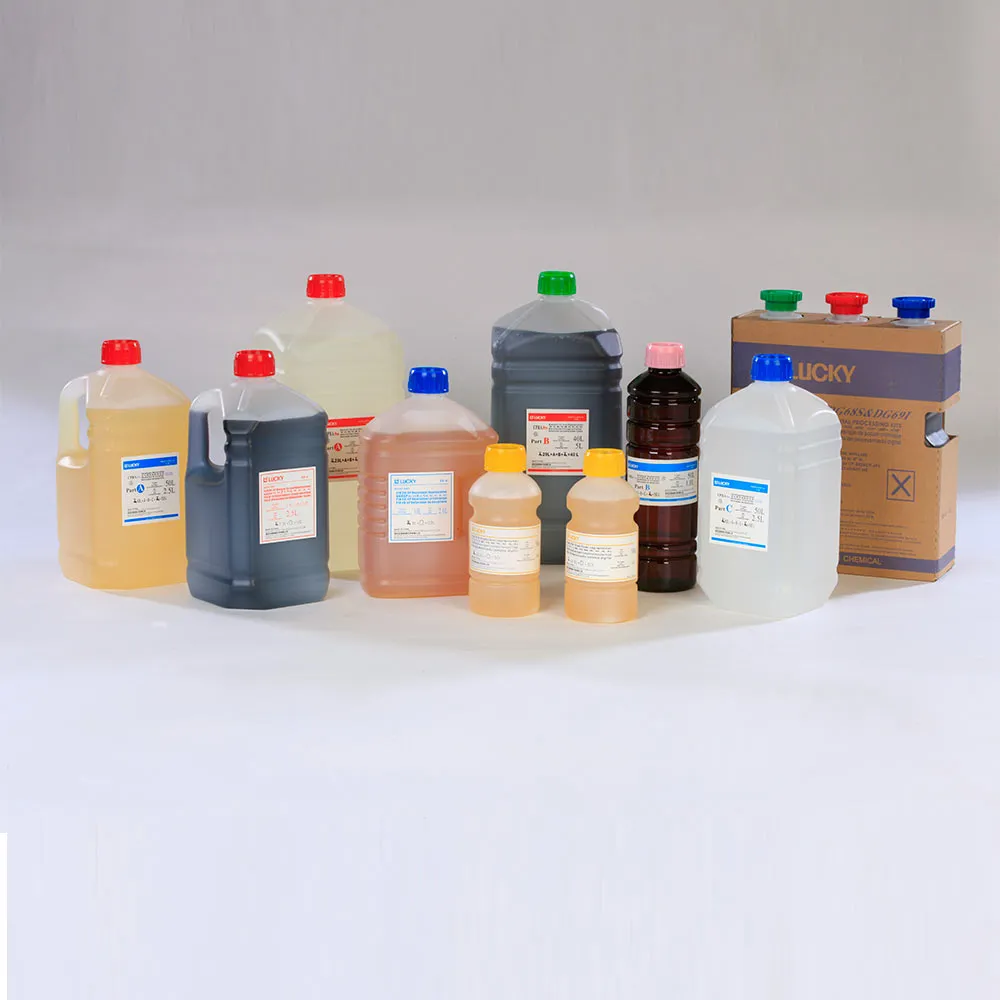
Photographic Chemcials For Mini-Lab
RA-4 process chemical for Noristu, Durst, Imetto, ZBE, Laserlab of Polielettornica